Leadership Academy Speaker Profiles
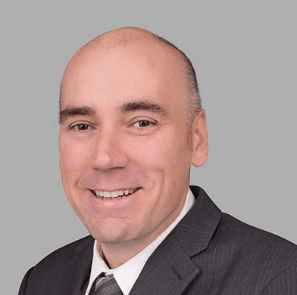
Jason Lesandrini,
PhD, FACHE, LPEC, HEC-C,
GHPCO Ethics Chair
Jason Lesandrini, FACHE, LPEC, HEC, is the Assistant Vice President for Ethics, Advance Care Planning and Spiritual Health at Wellstar Health System in Georgia, where he leads the strategy and implementation of ethics initiatives. He holds faculty appointments at Mercer University and South College.
Jason is a widely recognized expert in outcomes metrics for ethics programs and served as an ethics expert to numerous professional organizations. Jason is also founder and principal of The Ethics Architect. The Ethics Architect is an outcomes-driven healthcare consulting firm specializing in the assessment and execution of ethics programming, the creation of ethical cultures and developing ethical leaders.
Effective leadership begins with a strong foundation—how we understand our role, how we lead others, and how we lead ourselves. This session, led by Jason Lesandrini, explores the connection between different leadership styles and self‑leadership in complex, people‑centered organizations.
Participants will examine how leader behaviors shape culture, influence engagement and retention, and set expectations for performance. Drawing on examples from healthcare and hospice settings, the session highlights how different leadership styles affect interdisciplinary teams, communication, and resilience. Attendees will leave with practical strategies to increase self‑awareness, adapt their leadership approach, and foster a supportive, mission‑driven culture.
Learning Objectives
- Differentiate between common leadership styles and evaluate their impact on team culture, communication, and outcomes, including in interdisciplinary care environments.
- Apply principles of self‑leadership to enhance emotional intelligence, resilience, and decision‑making in high‑stress settings.
- Identify at least one leadership behavior to intentionally strengthen in order to positively influence team culture and engagement.
Values and ethics are not abstract—they sit underneath every leadership decision, priority, and interaction. In this session, Jason Lesandrini will guide participants in examining the alignment between their personal values, their organization’s mission, and the ethical commitments that guide their work. Leaders will explore how clearly defined values shape culture, influence behavior, and support consistent, compassionate decision‑making across teams.
As part of the session, leaders will complete an ethical leadership assessment and receive feedback on their strengths and opportunities for development. Using real‑world examples from healthcare and hospice, the session emphasizes mission‑driven leadership in complex, emotionally charged situations and offers practical tools for navigating value tensions and strengthening their moral leadership muscles.
Learning Objectives
- Define the role of personal and organizational values in shaping culture, leadership behavior, and care delivery.
- Identify ethical leadership strengths and weaknesses and describe their impact on organizational culture.
- Apply practical approaches to reinforce ethical decision‑making and values‑based leadership within teams and across the organization.
Great leaders do more than manage tasks—they shape direction, build trust, and move others to act. In this closing session, Jason Lesandrini will focus on the practical skills of influence and executive presence that leaders need to be heard, trusted, and effective across their organizations. Participants will explore how credibility, clarity, and consistency form the backbone of presence, and how to adapt their message and style for different stakeholders, including clinical, operational, and executive audiences.
Drawing on examples from healthcare and hospice, the session will provide space to integrate learning from the full academy, refine personal leadership narratives, and name concrete commitments for the next phase of their leadership journey.
Learning Objectives:
- Describe key components of executive presence—such as clarity of message, alignment with values, and responsiveness to stakeholders—and how they influence others’ confidence and trust.
- Apply practical influence strategies (e.g., framing, stakeholder mapping, tailored communication) to real organizational situations, including change and quality initiatives.
- Synthesize learning from the Leadership Academy into 2–3 specific leadership commitments and next steps that will guide their ongoing growth and impact.
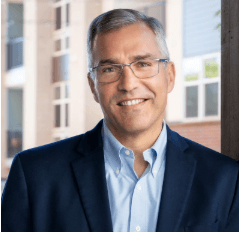
Trace Haythorn,
LLC, Ph.D., M.Div.
A passionate consultant and executive coach (ICF PCC), public speaker, workshop facilitator, and community networker, Trace loves working with organizations in moments of significant transition; C suite leaders; young people exploring their sense of meaning, purpose, and direction; and clergy/nonprofit leaders. He is an experienced nonprofit executive in academic, social service, and religious contexts as a teacher, leader, fundraiser, pastor, chaplain, and administrator. He is grounded in and informed by the servant leadership model of Robert Greenleaf, committed to the ideals of Jim Collins' "Good to Great", Gene Sharp's theory of nonviolent resistance, and Otto Scharmer's "Theory U". He is deeply committed to his family and all they represent in the world.
Trace earned a PhD in cultural foundations of education from Syracuse University, a Master of Divinity from Princeton Theological Seminary, and a Bachelor of Arts from Austin College in business and psychology. Trace and his wife are ordained ministers in the Presbyterian Church USA. He has served in executive leadership roles with ACPE: The Standard for Spiritual Care and Education; the Frazer Center; and the Fund for Theological Education. His work has been in higher education, congregational ministry, hospital chaplaincy, and nonprofit leadership. Service and service learning have been core elements of his career. Trace and Mary have two adult children and spend significant time advocating for people with developmental and intellectual disabilities.
- When you think of a difficult conversation, what comes to mind?
- When have you felt satisfied with the way you handled a professional conflict?
- What is the kind of leadership you hope to embody in times such as these?
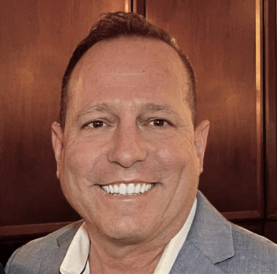
Jamey Espina,
VP of Hospice Savannah,
GHPCO Education Committee
Jamey Espina serves as the Vice President of Development and Community Services at Hospice Savannah, where he blends strategic leadership with a deep commitment to compassionate care. With decades of experience in nonprofit development, community engagement, and storytelling for impact, Jamey is known for elevating organizational missions and strengthening relationships across the region.
Before entering the hospice field, Jamey worked as a psychotherapist with the Tampa AIDS Network, supporting individuals and families during the height of the HIV/AIDS crisis. This formative work shaped his lifelong dedication to vulnerable communities and the transformative power of empathy.
Jamey is also the co-founder of the Institute for Story Savannah, an initiative that celebrates personal narrative as a tool for healing, connection, and community-building. His passion for stories—both spoken and lived—continues to influence his professional and civic leadership.
A recognized community advocate, Jamey has served on the boards of the Georgia Hospice and Palliative Care Organization, the Savannah Small Business Chamber, and the Savannah Children’s Choir. Across each role, he is celebrated for advancing collaboration, creativity, and compassionate service throughout Savannah and beyond.
"Emotional Intelligence and Self‑Management"
Here are three clear, manager‑ready talking points tailored for hospice leaders who want to strengthen their Emotional Intelligence (EI) and self‑management skills. These are designed for real‑world hospice environments—high‑stress, high‑compassion, mission‑driven settings.
1. Emotional Self‑Awareness: Recognizing Your Reactions Before They Shape Your Leadership. Understanding the Drama Triangle.
2. Self‑Management: Regulating Emotions to Maintain Professionalism and Compassion
3. Empathy With Boundaries: Staying Compassionate Without Absorbing Everyone’s Pain
Recognizing Your Reactions Before They Shape Your Leadership. Understanding the Drama Triangle.
Leaders can’t manage what they don’t recognize.
- Hospice work demands emotional presence, but that can also create emotional overload. Managers who notice their own triggers—stress, frustration, grief, fatigue—are better able to respond instead of react.
- Self‑awareness allows managers to model emotional steadiness for staff who are supporting families in crisis.
- Practical tools: reflective pauses before difficult conversations, journaling micro‑stressors, asking trusted colleagues “What tone am I showing up with today?”
A leader who understands their internal state becomes more predictable, trustworthy, and supportive.
Regulating Emotions to Maintain Professionalism and Compassion
Managing emotions isn’t about suppression—it’s about skillfully channeling them.
- Hospice teams rely on leaders who stay grounded, even when situations are chaotic or emotionally charged.
- Effective self‑management includes emotional regulation, impulse control, maintaining calm during crises, and stepping away when needed.
- Techniques: breathing resets before family meetings, boundary‑setting around availability, and using structured debriefs rather than venting.
The manager becomes a stabilizing force, reducing staff burnout and fostering a healthier care environment.
Staying Compassionate Without Absorbing Everyone’s Pain
Hospice leaders must balance empathy with professional boundaries to avoid compassion fatigue.
- Empathy connects managers to their teams and families—but over‑identifying with others’ emotions leads to emotional exhaustion.
- Practicing “empathetic listening” without becoming emotionally enmeshed helps leaders stay supportive and clear‑thinking.
- Strategies: acknowledging feelings without taking ownership, validating staff experiences, and guiding conversations toward solutions.
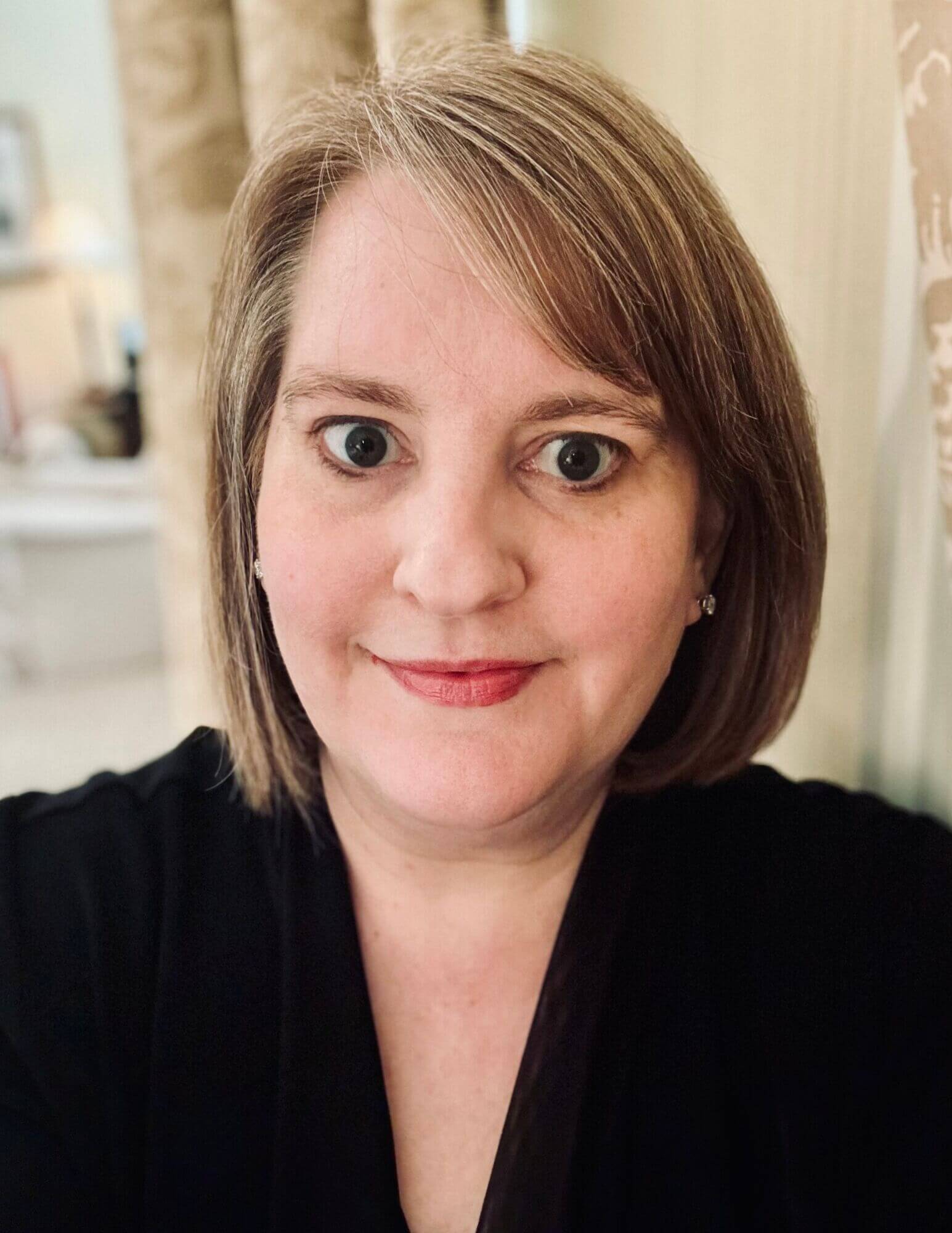
Natalie McNeal,
Executive Director of NGHS,
GHPCO Board President
Natalie McNeal is the system director of Hospice of Northeast Georgia Medical Center, which provides hospice and in-home palliative care in the metro-Atlanta area. In this role, Natalie oversees operations of an in-patient unit, home hospice services, pediatric hospice services, hospice programs in five hospitals, and in-home palliative care in 14 counties. Her responsibilities include regulatory and accreditation compliance, financial performance, and program oversite.
Natalie has served on various state and national committees and boards overseeing membership, regulatory, and quality and standards. She holds both a Master of Business Administration and Master of Health Administration, from Georgia State University.
Participants will be able to:
- Explain the relationship between regulatory requirements and quality care in hospice, including the role of leadership in moving organizations beyond basic compliance.
- Analyze hospice quality and safety indicators to identify process gaps, rather than viewing metrics as isolated statistics.
- Apply formal improvement methods—such as A3 problem solving, fishbone analysis, and Gemba observation—to lead systematic, team-based performance improvement initiatives.
Glenn Beville,
CPA, Treasurer & GHPCO Finance Chair
Glenn is the Founder and Principal Consultant at Cardinal Point Consulting, LLC, where he provides interim, part-time, and fractional CFO services, client advisory services, and other services to healthcare clients. Other services include Medicare cost report preparation, income tax return preparation, and Medicare hospice cap analysis.
He has served in various consulting roles for the past 14 years and founded Cardinal Point Consulting 10 years ago.
He has held leadership positions at organizations ranging from startups to multi-entity organizations with annual revenue over $70 million. He has held Chief Financial Officer and senior finance positions with two hospice/home health organizations, each serving more than 500 patients per day.
Mr. Beville’s leadership responsibilities, in addition to treasury, finance, and accounting, included patient admissions, census
development, durable medical equipment operations, pharmacy operations, and health information management. In addition to his healthcare finance experience, Mr. Beville served for four years as the Executive Director of a hospice program.
Glenn Beville received a Bachelor of Business Administration in accounting from the University of North Florida and is a licensed CPA in Georgia. Mr. Beville is a current member of the Georgia Hospice & Palliative Care Organization and the Alabama Hospice & Palliative Care Organization.
Participants will be able to:
- Distinguish operational, tactical, and strategic work and identify where they currently spend most of their time.
- Enable clinicians to scan their environment (internal data, external trends, policy changes) and articulate 2–3 strategic issues that matter for their hospice or palliative program.
- Ensure attendees can interpret key financial and operational metrics relevant to your context (e.g., census, margin, visit intensity, quality indicators).
- Enable care team members to connect how day‑to‑day decisions (staffing, scheduling, documentation, care models) impact those metrics.
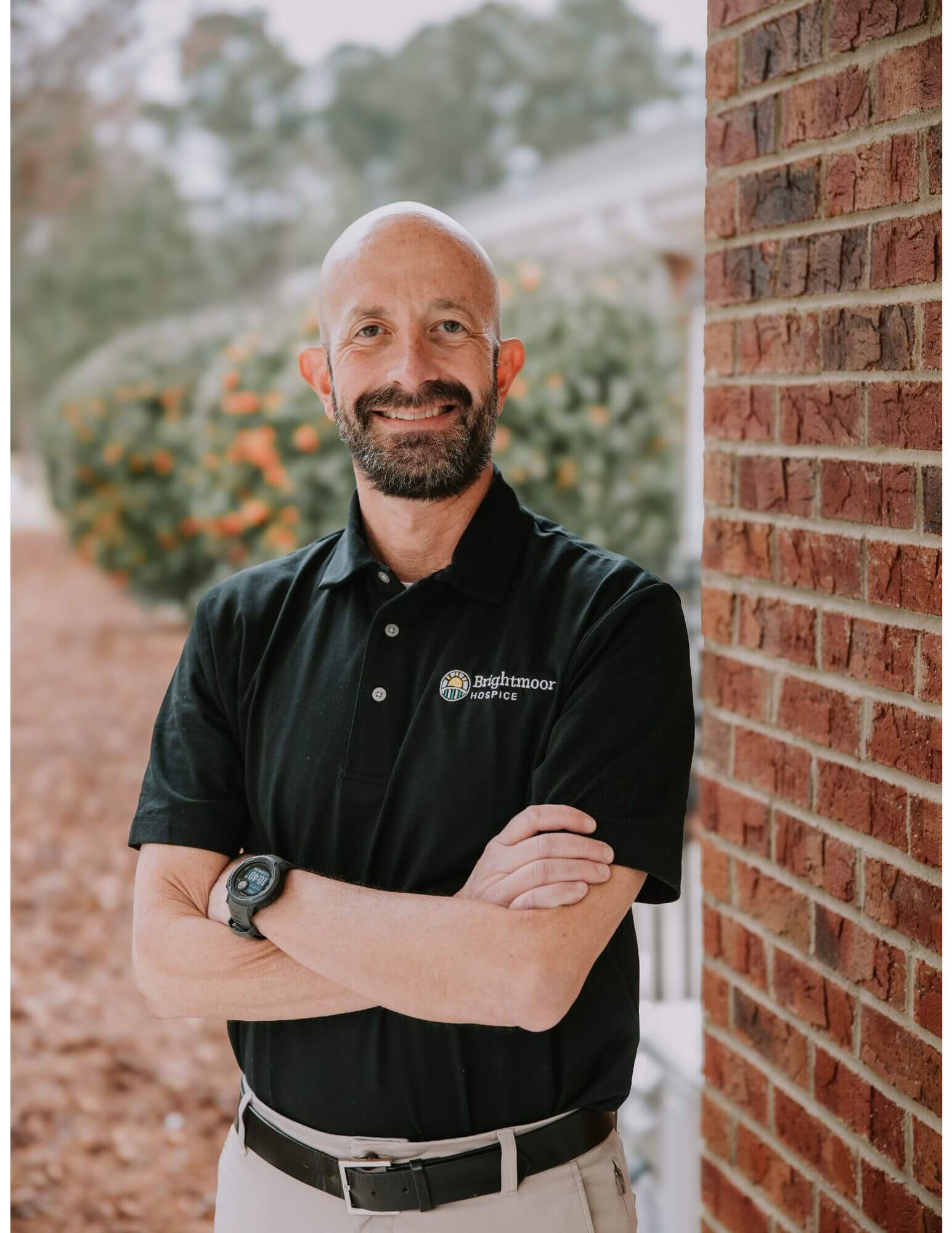
Trey Reese,
JD, Chief Operations Officer of Brightmoor Hospice
GHPCO Secretary
Trey Reese, Chief Operations Officer- Brightmoor Hospice
Trey Reese started his career in the practice of law in 1997. In 2000, Trey joined the law firm of Hall Booth Smith where he achieved partner and shareholder status in 2005.
Trey Reese began representing aging services providers in 2001. As a result of advocating for nursing homes, assisted living communities, hospices and aging services ancillary care providers as well as other health care providers across the continuum of care, he developed a deep understanding of challenges faced by the industry. Trey was also a counselor for his clients, guiding them personally and professionally through challenging times. He brings these insights to his role as Chief Operations Officer at Brightmoor Hospice.
Since August 2020 when Trey moved full-time to Brightmoor, Trey has been a part of the team guiding first Brightmoor Hospice then Brightmoor Nursing Center and Brightmoor Senior Living to enhance their excellence of quality care and reach in Georgia. Trey believes Brightmoor continues to grow and be successful because they understand how to inspire and equip the people who are Brightmoor Healthcare.
Trey frequently speaks on issues involving aging services providers, particularly in conjunction with the state nursing home association and the state hospice association. He is a board member and officer with the Georgia Hospice and Palliative Care Organization (GHPCO).
Leadership
Participants will be able to:
- Define a values-based, "culture by design" approach to hospice leadership that aligns with interdisciplinary, compassionate care.
- Assess personal leadership styles and adapt them to improve team communication, emotional intelligence, and resilience.
- Demonstrate ability to lead through change, challenging performance, and navigating regulatory standards.
- Create a positive work culture by promoting psychological safety, trust, and accountability among interdisciplinary team members.
- Apply strategic planning principles to address resource management, financial stewardship, and operational challenges within a hospice setting.
Coaching Skills
Participants will be able to:
- Differentiate between coaching, mentoring, and performance feedback, applying the appropriate technique to individual staff needs.
- Utilize active listening, powerful questioning, and appreciative inquiry to guide team members toward goal attainment and personal growth.
- Implement coaching techniques to help clinicians improve patient-centered care and navigate complex emotional situations with patients and families.
- Practice holding supportive, non-evaluative coaching conversations to foster employee engagement, accountability, and development.
- Engage in "strengths spotting" to enhance team cohesion and leverage individual talents to meet organizational objectives.
Delegation & Supervision
Participants will be able to:
- Analyze the "Five Rights of Delegation" (Right Task, Circumstance, Person, Direction, Supervision) within the context of hospice nursing and state practice acts.
- Identify tasks that can and cannot be delegated, distinguishing between roles (RN, LPN/VN, Hospice Aide) to maintain high-quality care and patient safety.
- Develop clear, concise communication techniques to set expectations, timelines, and reporting mechanisms for delegated tasks.
- Evaluate team members' performance and competencies to ensure delegated responsibilities are completed safely and effectively.
- Overcome personal and organizational barriers to delegation to reduce burnout and enhance team efficiency.
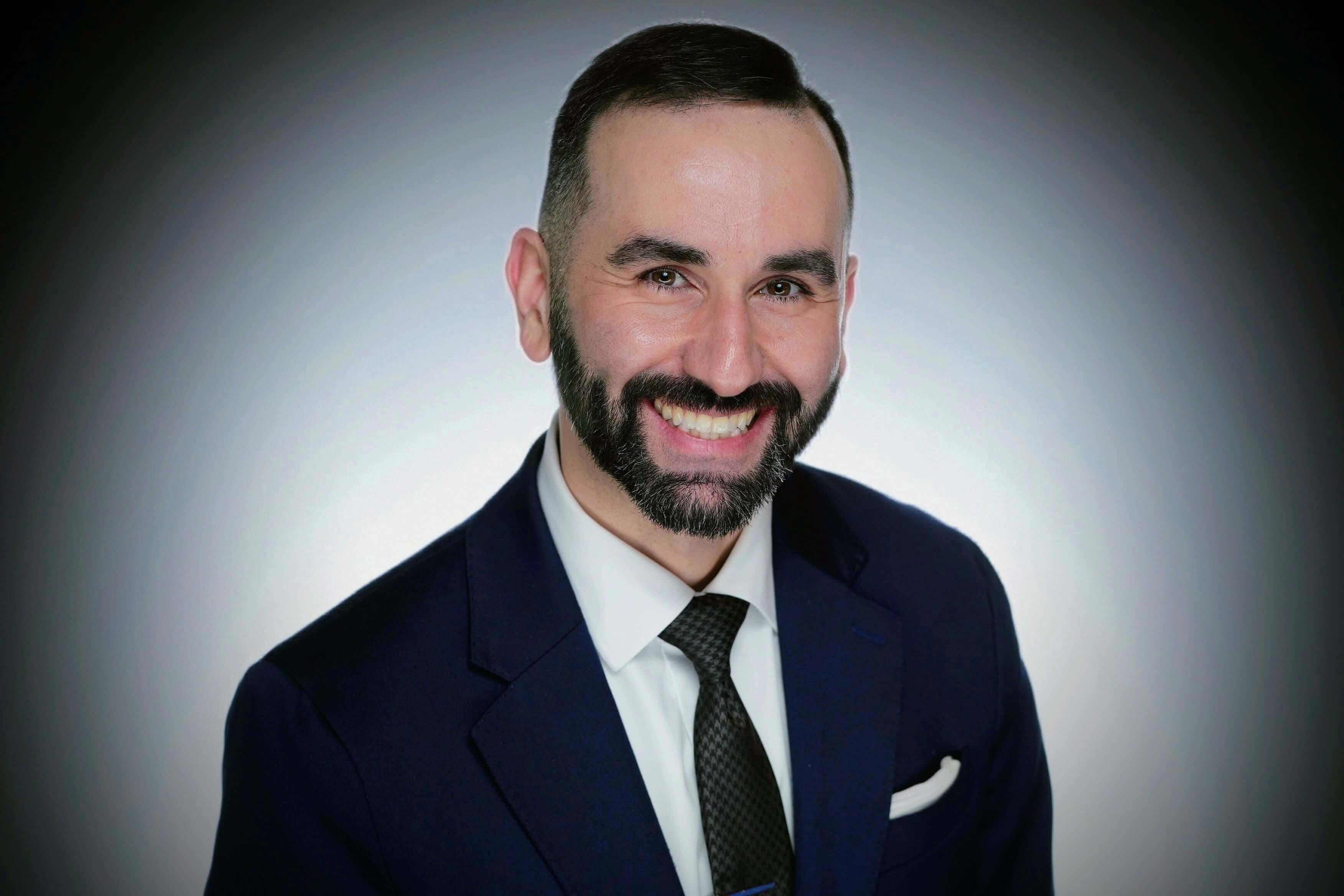
Robert Reznor,
MBA, BSN, RN, FACHE
Healthcare Executive
Robert Reznor, MBA, BSN, RN, FACHE, is a healthcare executive and clinician with more than 25 years of multidisciplinary leadership experience across healthcare, technology, business development, and government sectors. He currently serves as Vice President of Operations, Physician Services at Ardent Health’s University of Kansas Health System St. Francis Campus and is a member of the hospital’s executive leadership team.
In this role, he oversees a broad network of primary care, urgent care, specialty services, and ambulatory surgery across eastern Kansas, with responsibility for aligning ambulatory operations with hospital strategy, strengthening referral pathways, and optimizing care delivery across the continuum. His scope includes cardiovascular, oncology, surgical and neurosciences service lines, musculoskeletal and rehabilitative care, pulmonary and sleep medicine, women’s health, primary care, and a wide range of specialty clinics and outpatient services.
Prior to his current role, Robert served as Executive Director of Operations at Wellstar Health System, where he led enterprise-wide access and operational transformation initiatives supporting hospitals and ambulatory services. His work significantly improved patient access, reduced barriers to care for tens of thousands of patients monthly and drove measurable growth in system utilization and downstream revenue.
A former ICU nurse, Robert brings a clinically grounded leadership approach focused on team performance, resilience, and sustainable leadership practices. He is passionate about developing leaders, strengthening team dynamics, and building systems that support both caregiver well-being and high-quality patient care. He is a Fellow of the American College of Healthcare Executives and holds an MBA from Georgia Institute of Technology and a BSN from Columbus State University.
Participants will be able to:
- Evaluate team development stages and apply practical strategies to advance teams toward high performance within complex healthcare environments.
- Strengthen accountability, role clarity, and shared ownership using structured leadership frameworks.
- Implement communication and alignment practices that improve trust, engagement, and cross-functional collaboration.
Participants will be able to:
- Assess personal leadership patterns related to energy, stress, and boundaries, and identify areas for improvement.
- Develop a practical framework for sustaining performance and resilience in high-demand healthcare roles.
- Identify and implement at least one team-level practice that supports well-being while maintaining operational effectiveness.
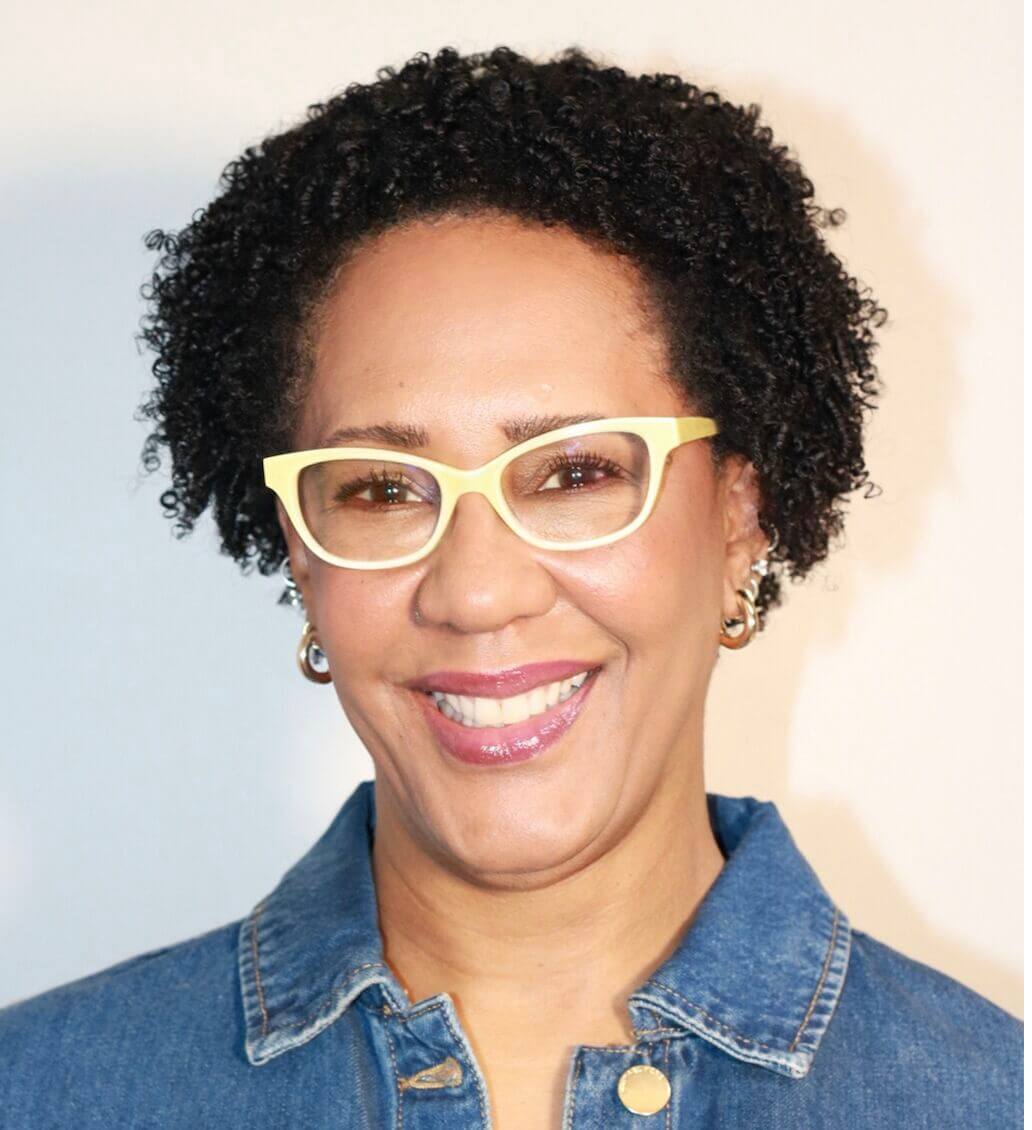
Deirdra Donahue,
Leadership and Team Development Coach
Deirdra Donahue helps leaders and teams strengthen how they work together, especially when the stakes are high. Her work focuses on the core drivers of trust, accountability, and performance, and she brings a practical, grounded approach that highlights the importance of self- and other awareness.
People value Deirdra's ability to create space for honest dialogue while keeping conversations focused on outcome. She helps teams understand how to leverage interpersonal awareness as a strategic advantage and build cultures where people can do their best work together.
Participants will be able to:
- Understand psychological safety and inclusive leadership and why they matter
- Identify the impact of leadership behaviors on trust, voice, and outcomes
- Lead with awareness to intentionally foster inclusion
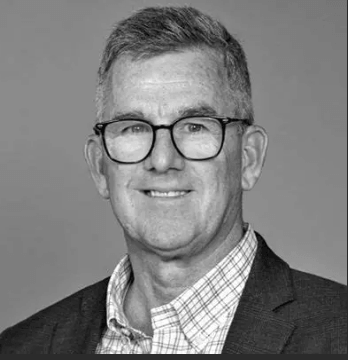
Dale Gauthreaux,
PhD, SHRM-SCP
Dale Gauthreaux is the founder of Forge Leadership, LLC where he helps leaders and organizations address performance and engagement challenges. Through consulting, training and/or
coaching, Dale helps leaders develop the capacity and capability to accomplish their organization's goals. A student of organizational culture and effectiveness, Dale brings over
30 years of experience in organizational effectiveness, leadership development, strategy, and culture transformation.
His experiences span manufacturing, sales, health care, financial services, technology, education, and non-profit organizations. Dale lives and learns in the Atlanta area but enjoys frequent visits to his native Louisiana to savor the food, music and culture of his second home, New Orleans.
Participants will be able to:
- Recognize specific GHPCO challenges that make traditional change management practices insufficient
- Distinguish adaptive challenges from technical problems and apply to real GHPCO transformation dilemmas
- Develop pathways to resilience as a leadership capacity